Getting around Bali easily is key to making the most of your exploration, and thankfully, modern apps like Gojek and Grab, combined with traditional local motorcycle taxis (ojeks), offer wonderfully convenient ways to travel. The Island of the Gods, while captivating, has spread-out attractions and sometimes significant traffic, making efficient transport essential for visitors.
Understanding how to use these popular options can save you time, hassle, and often money, allowing you to focus more on enjoying Bali’s incredible sights and experiences. As your friendly guides here at Merusaka Nusa Dua , we’d like to share some practical insights on using Gojek, Grab, and local ojeks effectively and safely during your stay.
The Rise of Ride-Hailing: Gojek & Grab Explained
Think of Gojek and Grab as the Southeast Asian counterparts to apps like Uber or Lyft. They are the dominant ride-hailing platforms in Bali and across Indonesia, offering a wide range of convenient services accessible right from your smartphone.

Apps like Gojek and Grab make getting around Bali easily more convenient than ever.
More Than Just Rides While booking transport is their core function, these “super-apps” offer much more:
- GoRide / GrabBike: These are motorcycle taxi services. They are incredibly popular for solo travelers or couples wanting to weave through traffic quickly for shorter distances. It’s a very common and efficient way to get around bustling areas.
- GoCar / GrabCar: These are private car services, similar to standard ride-hailing cars elsewhere. You can usually choose different car sizes (standard for up to 4 passengers, XL for larger groups or more luggage). It’s a comfortable option, especially for longer journeys, groups, travelling with luggage, or during rainy weather.
- Food Delivery (GoFood / GrabFood): A fantastic bonus! You can browse menus from thousands of local restaurants and warungs and have food delivered directly to your hotel or villa. Perfect for a relaxed evening in.
- Other Services: The apps often include additional features like package delivery (GoSend/GrabExpress) or even grocery/convenience store shopping (GoMart/GrabMart), though most visitors primarily use the transport and food options.
How They Work (The Basics) The process is generally straightforward and intuitive if you’ve used similar apps before:
- Download the app (Gojek or Grab, or both!) onto your smartphone.
- Create an account and set it up.
- Open the app, and it will detect your location (ensure location services are enabled).
- Choose the service you need (e.g., GoRide/Bike or GoCar/Car).
- Enter your destination address or drop the pin accurately on the map.
- The app will show you an estimated upfront price for the trip.
- Confirm your booking request.
- The app will assign a nearby driver and show you their details (name, photo, vehicle type, license plate number) and estimated arrival time.
- You can track your driver’s approach on the map in real-time.
- Meet your driver, confirm their identity/vehicle, and enjoy your ride!
- Payment is handled based on the method you selected (cash, card, or app wallet).
Getting Started: Setting Up and Using the Apps
A little preparation makes using Gojek and Grab seamless:
- Download: Find both “Gojek” and “Grab” on the Apple App Store or Google Play Store. It’s often useful to have both, as driver availability or pricing can sometimes vary slightly between them.
- Account Setup: You’ll need to register with a phone number. While you can often register with an international number, using a local Indonesian SIM card generally makes verification and communication smoother. Drivers may sometimes try to call if they can’t find you, which is easier with a local number. You can easily purchase affordable tourist SIM cards upon arrival at the airport or numerous phone shops. [link to potential Connectivity post]
- Payment Methods Explained:
- Cash: Often the simplest option for short-term visitors. Select ‘Cash’ as your payment method before booking the ride. You pay the driver directly at the end of the trip. Try to have smaller denomination notes (IDR 10k, 20k, 50k) ready, as drivers may not always have exact change for large notes.
- Credit/Debit Card: You can link your credit or debit card directly in the app. This allows for cashless payment, which is very convenient. Inform your bank about your travel plans to avoid transactions being blocked.
- App Wallet (GoPay / OVO Balance): Both apps have integrated digital wallets (Gojek uses GoPay, Grab uses OVO Balance primarily in Indonesia). You can ‘top up’ these wallets with funds at various places like convenience stores (Indomaret, Alfamart) or sometimes directly from drivers (ask first). Using the wallet allows for seamless cashless payment and sometimes offers access to promotions. Topping up might require some initial setup or assistance.
- Confirm Before Riding: It’s always a good idea to politely confirm the payment method with the driver when they arrive, especially if paying cash, just to ensure clarity (e.g., showing the cash option on your app screen).
- Requesting Your Ride:
- Accurate Pins: Use the map pin carefully to set your exact pickup location, especially if you’re not at an obvious landmark. You can also type in the name of your hotel, villa, or a known restaurant. Do the same for your destination.
- Choose Service: Select Bike (for one passenger, usually faster in traffic) or Car (for comfort, groups, luggage).
- In-App Chat: Both apps have a chat feature to communicate with your assigned driver. This is useful if you need to provide brief directions (“I’m near the big statue”) or confirm your location. Keep messages simple. While auto-translate features sometimes exist, they aren’t always reliable, so clear, basic communication is best.
Coverage Areas & Potential Restrictions
While incredibly useful, be aware of where and when Gojek/Grab operate most effectively:
- Excellent Coverage: Generally, you’ll find excellent availability of both bikes and cars in the main tourist areas of South Bali. This includes Nusa Dua, Jimbaran, Kuta, Legian, Seminyak, Canggu, Sanur, Denpasar city, and the central Ubud area. Service originating from major hubs like Nusa Dua is typically very reliable.
- Limited Areas: As you travel further into more remote rural areas, mountainous regions, or certain specific villages, app coverage can become patchy or non-existent. Drivers may be less willing to travel very long distances to remote pick-ups.
- Local Transport Zones: Some specific tourist spots or villages have agreements with local transport cooperatives (banjar-based transport). In these designated areas, app-based drivers might be restricted from picking up passengers directly within the zone to avoid conflict with local drivers. You might need to walk a short distance outside the restricted boundary (often marked with signs, though not always clearly) to meet your Gojek/Grab driver. This is sometimes encountered around official entrances to major temples or certain beach areas. Don’t be discouraged; it’s usually just a short walk!
For most visitors staying in areas like Nusa Dua and exploring common tourist sites, Gojek and Grab remain highly effective tools.
The Traditional Alternative: Local Ojeks
Before the apps arrived, the ojek was the king of quick transport in Bali, and they still play a vital role.
- What is an Ojek? An ojek is simply an informal motorcycle taxi. You’ll often see local men waiting with their motorbikes near street corners, markets, ferry terminals, or popular attractions, sometimes calling out “Ojek? Transport? Boss?” to passersby.
- How They Work: Unlike the apps, there’s no fixed price or meter. You need to:
- Approach a driver (or they might approach you).
- Clearly state your destination.
- Negotiate and agree on the price before you get on the motorbike. This is essential! Have an idea of what a fair price might be (asking locals or checking app estimates for similar distances can give you a clue, though ojek prices might differ).
- Confirm the driver has a spare helmet for you (and insist on wearing it).
- Pay the agreed amount in cash upon reaching your destination.
- Pros: They are often available instantly in areas where app drivers might take time to arrive or where apps have no service. It’s a very local way to travel short distances quickly.
- Cons: You need to negotiate the price, which requires some confidence and local knowledge (or willingness to potentially overpay slightly). Language barriers can sometimes be an issue. Safety standards (bike maintenance, helmet quality) can vary more than with app-registered drivers who are subject to platform checks. There’s no digital tracking or formal accountability.
Ojek remain a useful option for quick, short hops, especially in areas less serviced by apps, or if you enjoy the direct interaction and negotiation.
Ride Green: E-Ride & Electric Vehicle Options – A Merusaka Sustainability Initiative
At Merusaka Nusa Dua, our commitment to Bali’s future goes beyond the resort walls. As part of our broader Sustainability Programme, we actively encourage guests to make greener choices during their exploration, and that includes how you get around the island.
Electric vehicles (EVs) and e-rides are a growing and genuinely exciting option in Bali, offering a quieter, cleaner, and increasingly accessible way to travel without contributing to the island’s air pollution or carbon footprint.
Why Choose an E-Ride?
Bali’s traffic and air quality are real concerns, particularly in busy corridors like Kuta, Seminyak, and Canggu. Choosing an electric option — even for a single trip — is a small but meaningful way to travel more responsibly on an island you love.
- Lower emissions: Zero tailpipe pollution means cleaner air for local communities and a healthier environment for Bali’s iconic rice paddies, temples, and coastline.
- Quieter journeys: E-bikes and e-scooters produce very little noise — a welcome change on busy streets and a much more peaceful way to explore quieter villages or coastal roads.
- A unique experience: Riding electric through Bali’s landscapes feels refreshingly different — smooth, calm, and surprisingly fun.
Electric Options Available in Bali
The EV scene in Bali is still growing, but there are already several solid options for visitors:
- Electric Scooter Rentals: A number of rental operators — particularly around Canggu, Seminyak, Ubud, and increasingly Nusa Dua — now offer electric scooters for self-ride hire. Brands like Electrum, Gesit, and various local operators provide well-maintained e-bikes charged and ready to go. Rates are comparable to conventional scooter rentals, and many operators include a helmet and basic roadside support. Always confirm your international license requirements and wear your helmet — the same rules apply as with any motorbike.
- Electric Car Transfers: A growing number of private car transfer providers now offer electric or hybrid vehicles (including Tesla and BYD models) for airport pickups, day tours, and point-to-point journeys. If you’re arranging a private car through our concierge team, don’t hesitate to request an electric vehicle — we’re happy to connect you with reputable providers.
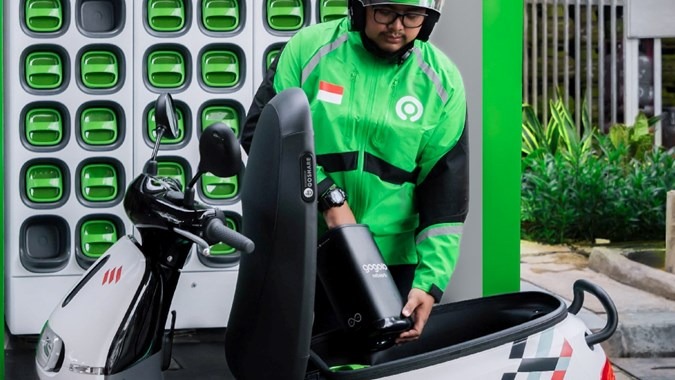
- Gojek & Grab Electric Bikes: Both Gojek and Grab have begun integrating electric motorbikes into their fleets in Bali, as part of national sustainability targets. When you book a GoRide or GrabBike, you may be matched with an e-bike rider. The experience is identical from a passenger perspective — simply book as normal and enjoy the quieter ride.
- E-Bike Cycling Tours: For guests who’d like to explore at a gentler pace, electric-assisted bicycle tours are available across Bali — a wonderful option for scenic rides through rice terraces around Ubud or coastal paths near Jimbaran and Nusa Dua, without the exertion of a full pedal.
A Note from Merusaka
Here at Merusaka, our sustainability efforts span from our Boemi Merusaka Organic Garden to our SensorFlow smart energy systems and our regular Mengiat Beach clean-ups. Every step counts, and how we travel is part of that story.
If you’d like a recommendation for an electric transfer, e-scooter rental, or a guided e-bike tour during your stay, our concierge team is always on hand to help you plan a greener adventure. We believe that exploring Bali beautifully and exploring it responsibly are very much the same thing.
Tips for a Smooth & Safe Ride
Whichever option you choose, keep these tips in mind:
- Confirm Your Ride: For apps, always double-check the driver’s name, photo, and especially the vehicle license plate number matches what’s shown in your app before getting in or on the vehicle. For ojeks, confirm the agreed price and destination again just before setting off.
- Helmet is Non-Negotiable: For any motorcycle ride (GoRide, GrabBike, or Ojek), wearing a helmet is legally required and crucial for your safety. Ensure the driver provides one that fits reasonably well and fasten the strap securely.
- Share Your Trip (App Feature): Gojek and Grab usually have a safety feature allowing you to share your live trip progress with a friend or family member via a link.
- Payment Clarity: If paying cash with Gojek/Grab, confirm the driver is aware you’re paying cash when they arrive. Have small notes ready. For ojeks, the agreed cash price is paid at the end.
- Tipping: As discussed previously [link to Tipping post], tipping isn’t generally expected for app-based rides (though rounding up is fine). For local ojeks, the negotiated price is final.
- Communicate Clearly: Use simple language for destinations. Showing the location on a map on your phone helps immensely. Learning a few basic Indonesian phrases like “kiri” (left), “kanan” (right), “lurus” (straight), and “stop di sini” (stop here) can be very helpful [link to Etiquette post or basic phrases].
- Embrace Bali Time (and Traffic!): Be prepared for traffic, especially in popular areas. Journeys can often take longer than the distance suggests. Motorcycle taxis (Bikes/Ojeks) are usually much faster at navigating through congested streets compared to cars. Factor this in when planning!
Conclusion: Your Easy Bali Transport Toolkit
Getting around Bali easily is definitely achievable! Modern ride-hailing apps Gojek and Grab offer incredible convenience, upfront price estimates, and various vehicle options (bike or car) perfect for navigating most popular tourist areas, including right here from Nusa Dua. Traditional local ojeks remain a valuable alternative, especially for short trips or in areas less covered by the apps, offering a more local experience (just remember to agree on the price first!).
By understanding how each service works and keeping a few simple safety tips in mind, you can confidently explore the beauty and culture of Bali at your own pace. Choose the option that best suits your journey, comfort level, and budget.
Should you need any assistance with booking transport or getting advice on the best way to reach a specific destination, please don’t hesitate to ask our concierge team at Merusaka. We’re always happy to help make your explorations effortless. Happy travels!